
SEO best practice for a headless CMS
What is a headless CMS ?
Headless CMS might be a term you have heard from your web development team, your CMS refers to your Content Management System, used traditionally to update content on your website via a login to the admin interface. When we talk about “headless” imagine the “head” of your website i.e. the frontend, the presentation layer and the “body” is the backend of the website, so the content repository.
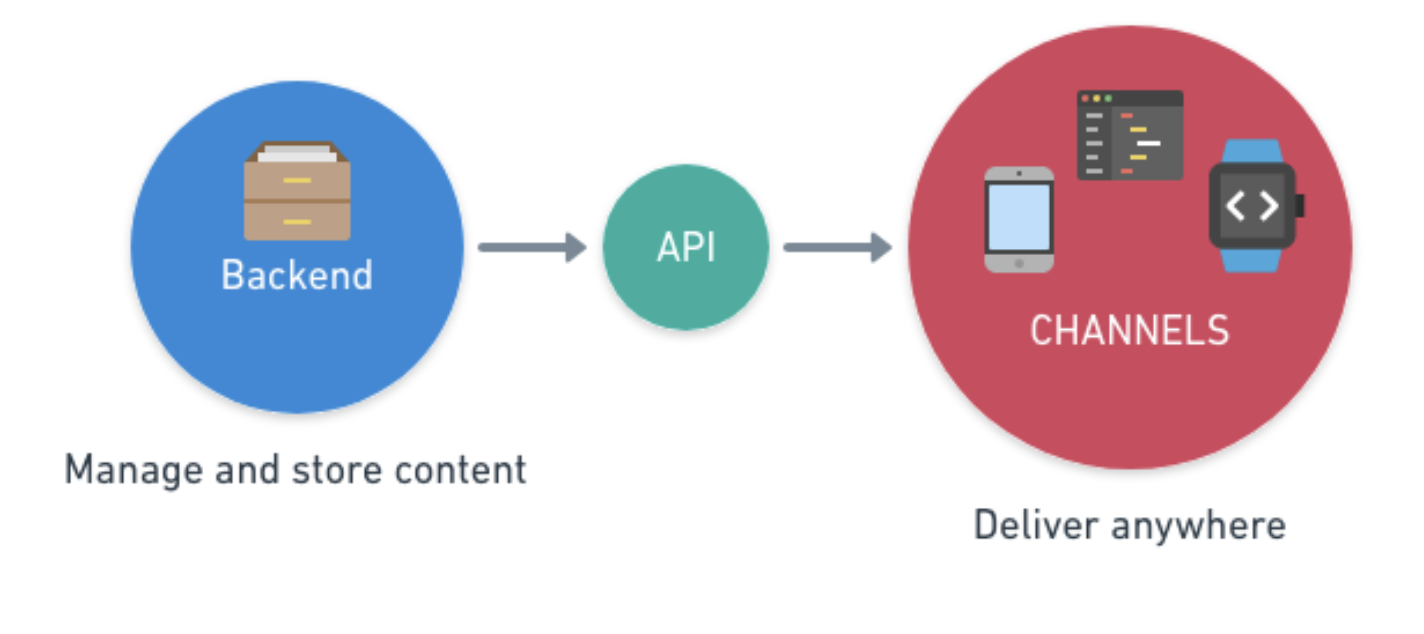
The term “headless” relates to “chopping the presentation layer (head) off the website”. A headless CMS is an interface that allows you to add content and a RESTful API (JSON, XML) to deliver content wherever you need it. The focus being storing and delivering structured content.
In contrast, a traditional CMS is often referred to or called monolithic, regular or coupled. These CMS’s utilise a combined frontend and backend, so all aspects of the website including content storage, content creation, design and how the content is displayed on devices is managed from the central CMS, usually in a HTML page. Due to this traditional CMSs made it easier to get websites crawled as spiders and crawlers from the search engines were originally designed to crawl HTML. Also a lot of the more traditional CMSs have a myriad of plugins and tools that can be downloaded to assist with SEO efforts.
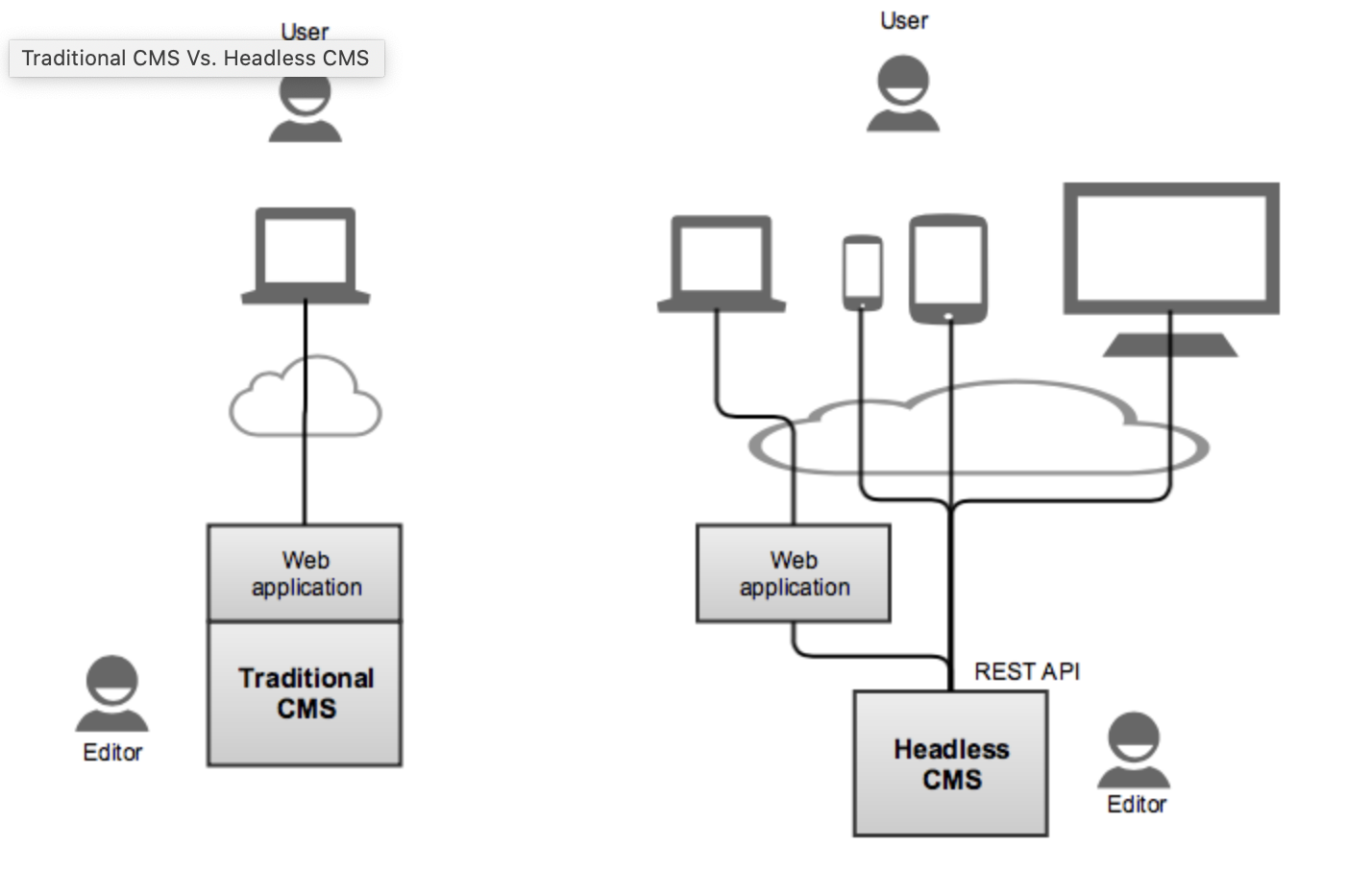
A headless CMS comes with only the back-end solution, so unlike traditional CMSs they have not necessarily been built to allow users to easily add metadata, page titles, descriptions, etc. and this functionality needs to be built when using a headless CMS to assist with SEO.
SEO best practices for a headless CMS
Essentially a lot of SEO principles needing to be implemented for a headless CMS are typical of any website, the difference is that the headless CMS needs to be built in a way that accommodates it otherwise it can hinder the ability for it to be crawled and indexed.
Advantages and disadvantages of a headless CMS Advantages
Disadvantages
Building for SEO success
A critical part of the success of your website is your team supporting it, ensuring the right people are involved in the building of your site is critical. Ensure your content and SEO team are involved early to assist the developers in maximising the future performance of the website from the beginning if possible.
A technical SEO audit pre and post migration/launch will ensure any new web structure will not hinder performance and any issues can be resolved early on.
Of course, any choice of CMS solution will have its advantages and disadvantages, it will be down to your priorities and resources as to which solution works best for you. For instance, although a headless CMS requires specific expertise to implement and manage it it can offer a level of flexibility that a traditional CMS cannot.
In order to make sure your headless CMS has successful SEO is very dependent on ensuring the site is structured and built correctly from the beginning with SEO in mind. SEO, if addressed correctly and planned for, should not be a barrier to selecting a headless CMS.
#seo #DigitalMarketing #headlesscms #website #cms